
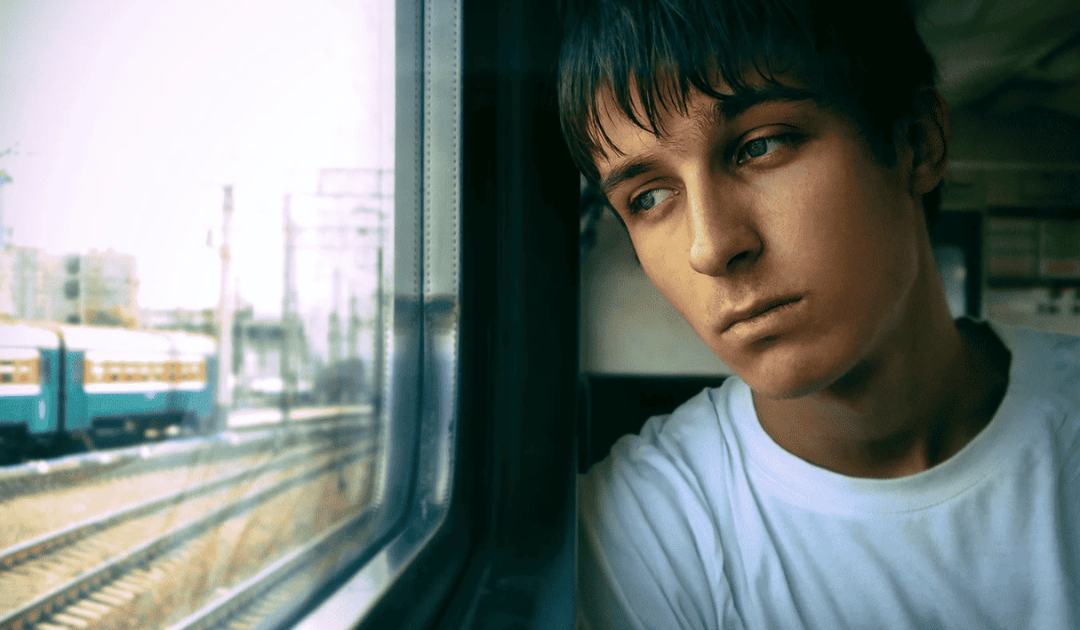
Post Erasmus Depression, Reverse Culture Shock, and Culture Shock: What They Mean and How to Deal With Them
If you came back from Erasmus and suddenly felt sad, restless, unmotivated, or strangely disconnected from your old life, you are not the only one.
Many people describe this feeling as post Erasmus depression. It is not always depression in a clinical sense, but it can be a very real emotional crash after one of the most intense, social, and identity-shaping experiences of your life.
In many cases, this feeling is also connected to reverse culture shock — the disorienting experience of returning home after adapting to a different culture abroad. While most people know about culture shock, fewer talk about what happens when the shock comes on the way back.
Going from a life full of new people, spontaneous plans, and constant discovery back to routine can feel harder than expected. Even if home is familiar and comfortable, something can still feel off.
In this article, we will explore:
what post Erasmus depression is
how it relates to reverse culture shock
the difference between culture shock and reverse culture shock
why it happens after Erasmus
how long it can last
how to deal with post Erasmus depression in a healthy way
and how Localizing was born from exactly this feeling
Quick note: this article is not medical advice. If you feel persistently low, anxious, overwhelmed, or stuck, speaking with a qualified mental health professional can be a very important step.

What Is Post Erasmus Depression?
Post Erasmus depression is the emotional low that some people experience after returning home from their Erasmus exchange.
For many students, Erasmus is not just a study period abroad. It becomes a life chapter full of freedom, novelty, friendships, personal growth, and intense emotional experiences. When that chapter ends, going back to “normal life” can create a strong sense of emptiness.
Not everyone experiences post Erasmus depression in the same way, but common feelings include:
missing your Erasmus friends more than the city itself
feeling bored or emotionally flat in your routine
feeling disconnected from old friends or your previous environment
comparing everyday life to your Erasmus memories
craving the international atmosphere, spontaneity, and freedom
wanting something new, but not knowing what
This is one of the reasons why post Erasmus depression can feel confusing. You may be back in a familiar place, surrounded by comfort and stability, and still feel emotionally lost.
What Is Reverse Culture Shock?
Reverse culture shock is the emotional and psychological discomfort people can feel when they return home after living abroad.
During Erasmus, you adapt to a new country, new habits, new social norms, and often a new version of yourself. That process is a form of culture shock: adjusting to an unfamiliar environment.
But when you come back home, the opposite can happen. You expect home to feel natural and easy, yet it suddenly feels unfamiliar, limiting, or emotionally distant. That is reverse culture shock.
In other words:
culture shock happens when you adapt to a new culture
reverse culture shock happens when you return to your original culture and struggle to readjust
This is why many people who talk about post Erasmus depression are also describing reverse culture shock, even if they do not use that exact term.
Culture Shock vs Reverse Culture Shock After Erasmus
Understanding the difference between culture shock and reverse culture shock helps explain why returning home after Erasmus can feel so strange.
Culture shock during Erasmus
At the beginning of Erasmus, you may experience:
confusion in a new country
different routines and social norms
language barriers
uncertainty in everyday situations
excitement mixed with stress
This is classic culture shock. It is part of adapting to life abroad.
Reverse culture shock after Erasmus
When Erasmus ends, you may experience:
sadness when coming home
frustration with old routines
difficulty reconnecting with people who did not share the experience
a sense that your hometown feels “smaller”
emotional distance from your pre-Erasmus life
This is reverse culture shock, and for many people it overlaps heavily with post Erasmus depression.
Is Post Erasmus Depression Normal?
Yes, for many people it is a very normal reaction.
Erasmus often compresses months or years of emotional growth into a short period of time. You make friends quickly, adapt to a new culture, build independence, and experience a version of yourself that feels more open, social, and alive.
That process often begins with culture shock, then evolves into adaptation, confidence, and belonging. So when it suddenly stops, it makes sense that your mind and emotions need time to adjust again.
This is why reverse culture shock can feel so intense: you are not just losing a place, you are losing a whole rhythm of life.
That does not mean your feelings are dramatic or exaggerated. It often means that Erasmus genuinely mattered to you.
Why Does Post Erasmus Depression Happen?
There is no single cause, but there are several very common reasons why post Erasmus depression happens.
1. You Lose an Intense Social Environment
Erasmus creates a rare social ecosystem.
You meet people constantly, you are surrounded by different cultures, and friendships often form much faster than they do in ordinary life. Everyone is open, curious, and in a similar phase of exploration.
Back home, social life is usually more fixed. People already have their routines, circles, and habits. That contrast can feel brutal.
2. You Changed Faster Than Your Life Did
One of the biggest reasons behind post Erasmus depression is that Erasmus changes you.
You may come back feeling more confident, independent, curious, and open-minded. But your environment often stays the same. The people around you may still relate to the old you, while you no longer feel like that person.
That mismatch can create sadness, frustration, or even loneliness. It is also one of the clearest signs of reverse culture shock.
3. You Miss the Feeling, Not Just the Place
A lot of people think they miss the Erasmus city itself. Often, what they really miss is:
spontaneity
freedom
discovery
feeling part of an international community
the ease of meeting new people
the sense that anything could happen
In other words, the place matters, but the experience matters more.
4. Everyday Life Feels Flat After a Peak Experience
Erasmus is emotionally intense. It is full of novelty, social stimulation, and memorable moments.
When you return, normal life can feel dull by comparison. Not because your normal life is necessarily bad, but because your emotional baseline has changed.
This is one of the most common patterns in post Erasmus depression: life after Erasmus feels smaller, even when nothing is objectively wrong.

Symptoms of Post Erasmus Depression and Reverse Culture Shock
People can describe post Erasmus depression and reverse culture shock in different ways, but these are some of the most common signs:
sadness after returning home from Erasmus
lack of motivation
emotional numbness or flatness
overwhelming nostalgia
feeling misunderstood by people around you
constant comparison with your Erasmus life
difficulty reconnecting with your old routine
frustration with the familiarity of home
feeling like nobody fully understands what changed in you
a strong desire to leave again or start over somewhere else
Some people feel this for a few days. For others, it becomes a background feeling that lasts much longer.
How Long Do Post Erasmus Depression and Reverse Culture Shock Last?
There is no universal timeline for post Erasmus depression or reverse culture shock.
For some people, it lasts a couple of weeks.
For others, it can last several months.
And for some, it never fully disappears, but turns into a recurring nostalgia for that period of life.
Usually, the feeling becomes easier to manage when:
you accept that the experience changed you
you stop expecting life to immediately feel the same as before
you actively create new sources of meaning, connection, and novelty
you understand that what you are feeling may be reverse culture shock, not personal failure
The key point is this: post Erasmus depression does not mean something is wrong with you. Often, it means you are adjusting after a meaningful experience and navigating reverse culture shock at the same time.
How to Deal With Post Erasmus Depression
If you are struggling with post Erasmus depression, the goal is not to just “move on.” The goal is to understand what you are missing and rebuild some of those elements in your current life.
1. Keep Your Erasmus Connections Alive
Do not reduce Erasmus to a memory archive.
Try to keep relationships active through:
WhatsApp groups
voice notes
video calls
visiting friends
planning mini reunions
one-to-one catch-ups
Living connection helps much more than passive nostalgia.
2. Recreate the Ingredients, Not the Exact Experience
This is one of the most useful mindset shifts.
You cannot recreate Erasmus exactly as it was. But you can recreate parts of what made it special:
international people
social activities
local discovery
shared experiences
new friendships
spontaneous plans
This is much healthier than trying to “go back” in a literal way.
3. Put Yourself in Environments With New Energy
Post Erasmus depression and reverse culture shock often get worse when life becomes too repetitive.
That is why it helps to join spaces where openness and movement already exist, such as:
language exchanges
short group trips
coworking communities
sports groups
creative meetups
local international events
You do not need to rebuild your whole life in one week. You just need to reintroduce some newness.
4. Accept That You Changed
A lot of post Erasmus depression comes from trying to fit back into a version of life that no longer feels right.
It is okay if Erasmus changed your expectations, your habits, or your identity. That is not a problem to fix. It is a reality to integrate.
This is also one of the healthiest ways to move through reverse culture shock: accepting that home feels different because you are different too.
5. Ask for Professional Support if It Feels Too Heavy
Sometimes post Erasmus depression is more than nostalgia.
If you feel persistently low, anxious, isolated, or unable to function well in daily life, speaking with a therapist or mental health professional can be extremely helpful.
There is nothing weak about asking for support.
How Localizing Was Born From Post Erasmus Depression
Localizing was born from a very simple frustration: we missed Erasmus deeply.
Lorenzo and I met during Erasmus in Bratislava. We were flatmates, friends, and fully immersed in that intense mix of discovery, social energy, and international life.
When we came back home, the feeling hit us hard. The nostalgia was not just about the city. It was about the atmosphere, the people, and the version of life we had experienced there.
At the time, we did not necessarily call it reverse culture shock, but looking back, that is exactly part of what it was. Coming home felt familiar on the surface, but emotionally strange underneath.
We kept sharing photos, messaging in WhatsApp groups, planning random reunions, and trying to hold onto that energy.
Then one question came up:
What if you cannot recreate Erasmus exactly, but you can recreate some of its best ingredients?
That idea became Localizing.
Instead of long-term exchange programs, we started imagining mini Erasmus-style experiences through social weekend trips built around:
an international group
curated activities that help people connect naturally
a local coordinator
authentic local discovery
flexibility instead of rigid schedules
That is the core idea behind Localizing: keeping the Erasmus spirit alive in a more accessible format.
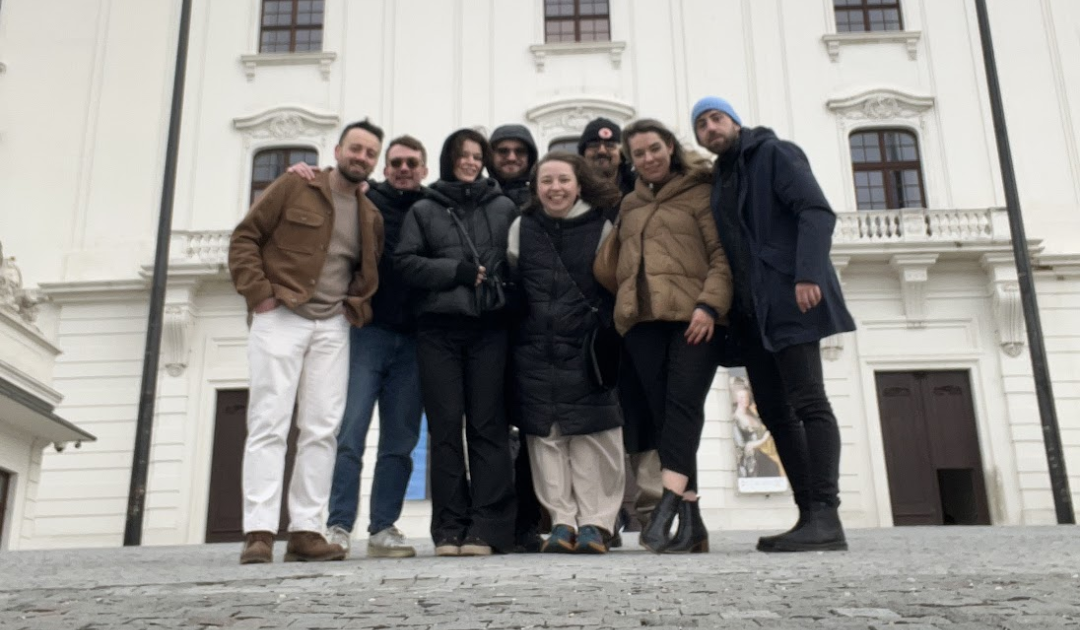
The First Proof: Our Bratislava Weekend
Bratislava was not just our Erasmus city. It also became the first real-world test of the Localizing concept.
We organized our first Localizing weekend there, and it confirmed something important: a few days can be enough to create real connection if the experience is designed in the right way.
If you want to see how that first weekend went, read our full recap here: Bratislava trip recap
Final Thoughts on Post Erasmus Depression, Reverse Culture Shock, and Culture Shock
Post Erasmus depression is not a sign of weakness, immaturity, or being unable to move on.
Very often, it is the emotional consequence of having lived something genuinely meaningful. Erasmus can give you freedom, belonging, discovery, and connection in a way that is hard to replace overnight.
And in many cases, what people call post Erasmus depression is closely linked to reverse culture shock: the difficult transition back home after adapting to life abroad through culture shock and growth.
You may not be able to go back to Erasmus exactly as it was. But you can build a life that keeps some of that spirit alive.
And that is exactly the idea behind Localizing.
If this article felt familiar, then you are probably one of our people.